Life Insurance Policy with Living Benefits
Life Insurance Policy with Living Benefits: A Comprehensive Guide
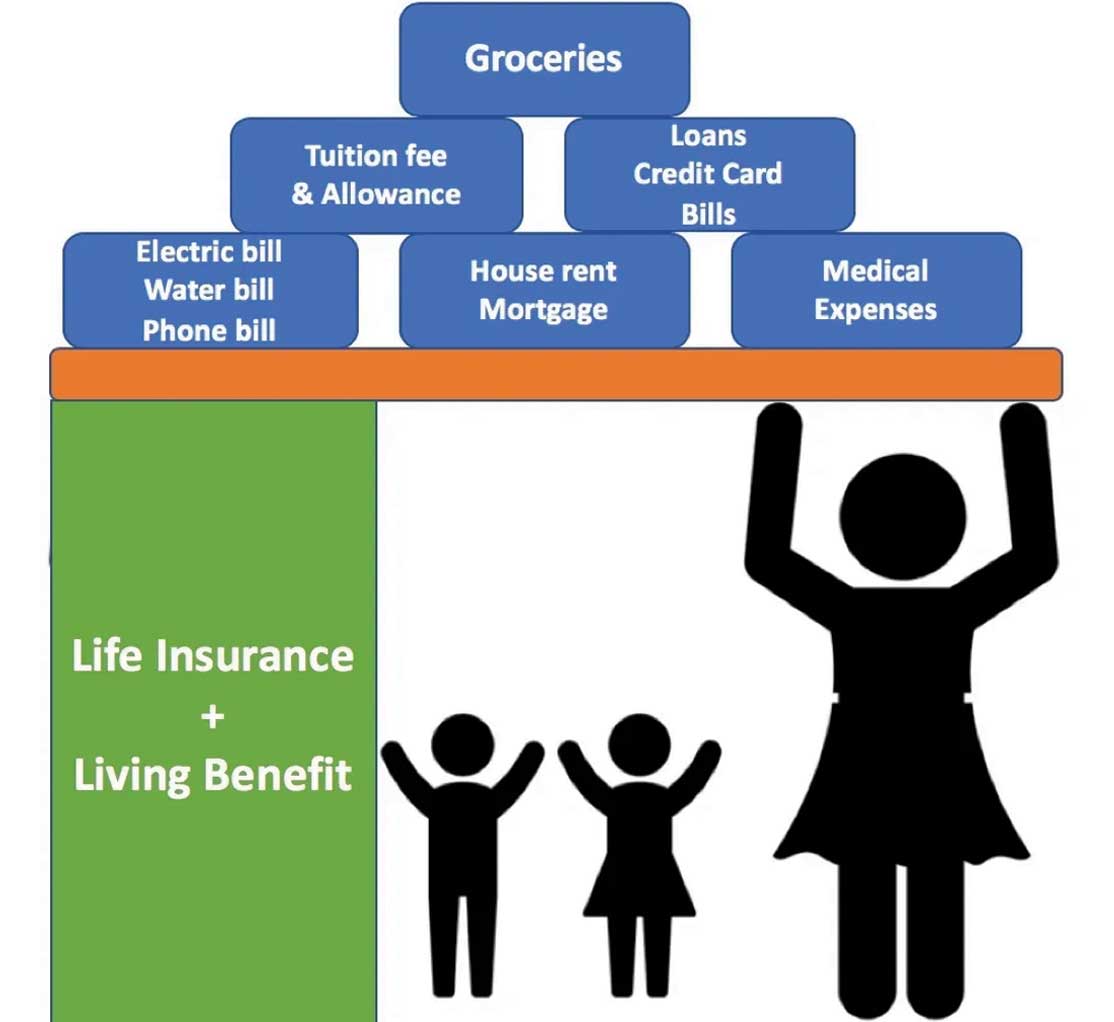
Source www.futurepictureteam.com
Introduction
Hey there, readers!
Today, we're diving into the fantastic realm of life insurance policies with living benefits. If you're curious about how to leverage your life insurance for more than just a death benefit, keep reading! This comprehensive guide will shed light on everything you need to know about these flexible and versatile coverage options.
Understanding Life Insurance Policy with Living Benefits
Life insurance with living benefits, also known as accelerated death benefit (ADB) riders, allows you to access a portion of your death benefit while you're still alive. This type of coverage can be a lifesaver in various situations, such as:
- Covering medical expenses for a critical illness or chronic condition
- Paying for long-term care
- Supporting your family during a period of financial hardship
Types of Living Benefits
There are different types of living benefits riders available, each with its unique set of provisions. The most common ones include:
Accelerated Death Benefit (ADB)
ADB allows you to receive a portion of your death benefit (usually up to 50%) to cover expenses related to a terminal illness, chronic condition, or other qualifying events.
Critical Illness Benefit
This rider provides a lump sum payment if you're diagnosed with a covered critical illness, such as cancer, heart attack, or stroke.
Chronic Illness Benefit
Chronic illness benefits offer ongoing payments to help cover the costs associated with a long-term illness that prevents you from working.
Terminal Illness Benefit
This rider provides a lump sum payment if you're diagnosed with a terminal illness that gives you less than a year to live.
Benefits of Life Insurance with Living Benefits
Consider these advantages of life insurance policies with living benefits:
- Financial assistance during life: You can access funds for unexpected expenses without having to take on debt.
- Peace of mind: Knowing that your loved ones will be financially secure even if you're not there can provide immense comfort.
- Tax advantages: The proceeds from living benefits riders are typically tax-free, which can be a significant financial saving.
Considerations Before Purchasing
While life insurance with living benefits offers several advantages, there are a few things to keep in mind before purchasing:
- Cost: Living benefits riders can increase your policy premiums.
- Limitations: There may be limitations on how much you can withdraw and the specific events that trigger a withdrawal.
- Complexity: Life insurance with living benefits clauses can be complex and challenging to understand. It's essential to work with an agent who can clearly explain the terms.
Sample Table of Living Benefit Riders
| Rider Type | Coverage | Trigger Event | Percentage of Death Benefit |
|---|---|---|---|
| Accelerated Death Benefit (ADB) | Terminal illness, chronic condition | Diagnosis of a qualifying illness | Up to 50% |
| Critical Illness Benefit | Cancer, heart attack, stroke | Diagnosis of a covered critical illness | 25-50% |
| Chronic Illness Benefit | Alzheimer's disease, Parkinson's disease | Inability to perform two or more activities of daily living | Ongoing payments |
| Terminal Illness Benefit | Terminal illness with less than 1 year to live | Diagnosis of a terminal illness | 100% |
Conclusion
Life insurance with living benefits can be an invaluable tool to provide financial security and peace of mind. By understanding the different types of riders available, you can tailor your coverage to meet your specific needs. Be sure to consult with an experienced insurance agent to ensure you fully comprehend the terms and conditions before making a purchase.
Don't forget to check out our other articles for more in-depth information on life insurance and personal finance.
FAQ about Life Insurance Policy with Living Benefits
What are life insurance policies with living benefits?
Life insurance policies with living benefits are life insurance policies that offer benefits while you're still alive, in addition to the death benefit paid to your beneficiaries when you pass away.
What types of living benefits are available?
Common living benefits include:
- Accelerated death benefit: Allows you to access a portion of your death benefit if you're diagnosed with a terminal illness or chronic condition.
- Long-term care benefit: Covers expenses related to long-term care, such as nursing home stays or home health assistance.
- Chronic illness benefit: Provides a lump sum payment or income stream if you're diagnosed with a chronic illness, such as cancer or heart disease.
How do I qualify for a life insurance policy with living benefits?
Typically, you must meet certain health and financial requirements to qualify for a life insurance policy with living benefits. Your age, health history, and income will be considered.
What are the premiums for life insurance policies with living benefits?
Premiums for living benefit policies are generally higher than for traditional life insurance policies, as they offer additional coverage. Premiums will vary based on factors such as your age, health, and chosen living benefits.
How do I choose the right living benefits for me?
Consider your age, health, family history, and financial situation when choosing living benefits. You may also want to consult with a financial advisor or insurance agent for guidance.
What are the tax implications of living benefits?
Generally, living benefits are tax-free if withdrawn for qualified medical expenses. However, they may be subject to income tax if used for non-medical purposes.
Can I add living benefits to an existing life insurance policy?
Depending on the policy, you may be able to add living benefits to an existing life insurance policy. Contact your insurer to inquire about potential add-on options.
How do I file a claim for living benefits?
File a claim by contacting your insurer and providing the necessary documentation, such as a medical diagnosis or proof of chronic illness. The claim review process may vary depending on the policy and insurer.
What are the advantages of life insurance policies with living benefits?
Living benefits provide financial protection and support in the event of a serious illness or long-term care need, while also providing a death benefit to your beneficiaries.
What are the disadvantages of life insurance policies with living benefits?
Premiums are generally higher than for traditional life insurance policies, and there may be certain restrictions or limitations on the use of living benefits.


Komentar
Posting Komentar